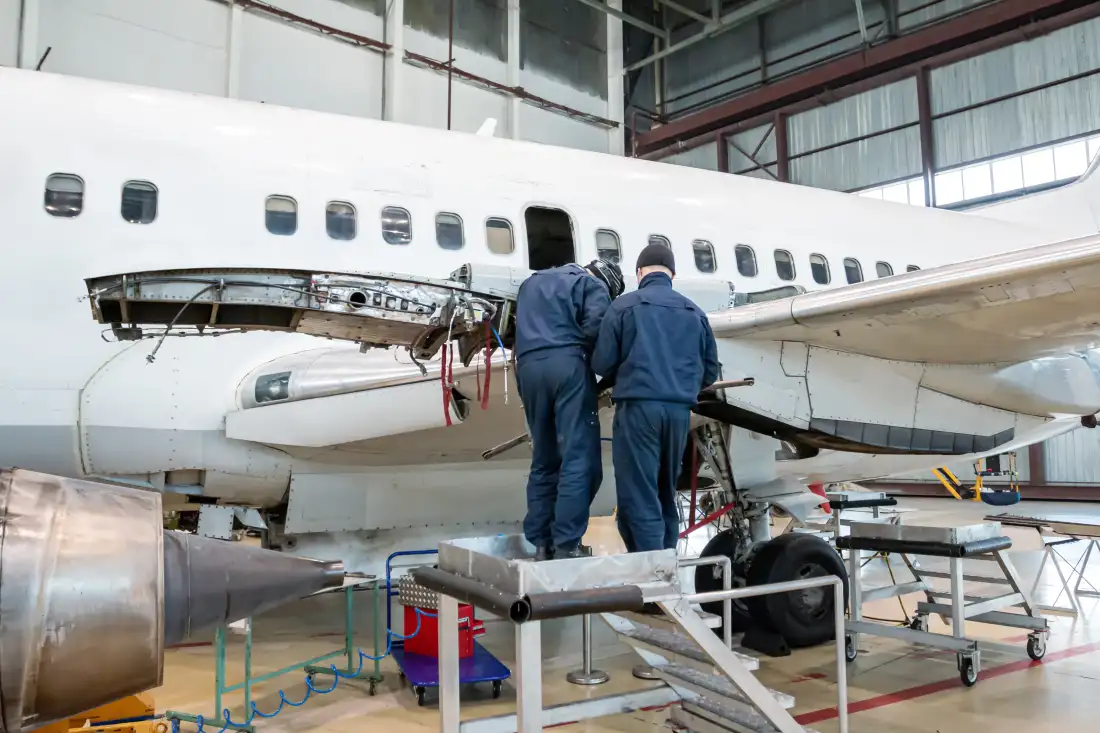
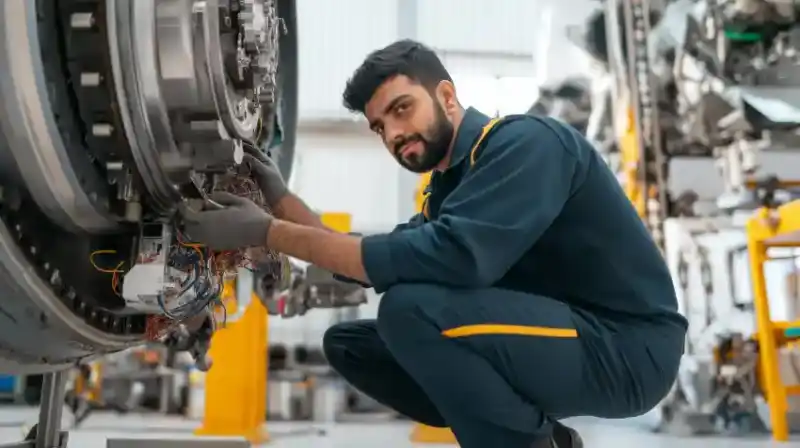
An Aircraft Maintenance Engineer (AME) working in the United Arab Emirates (UAE) or Saudi Arabia typically earns between AED/SAR 15,000 and AED/SAR 35,000 per month (approximately PKR 1,125,000 to PKR 2,625,000 per month, completely tax-free), depending on license category, aircraft type ratings, and certifying experience. Entry-level junior mechanics and technicians without certifying authority begin around SAR 10,000 to SAR 12,000 monthly (roughly PKR 750,000 to PKR 900,000), while senior certifying engineers with wide-body endorsements regularly command packages surpassing AED 38,000 monthly (over PKR 2,850,000). Beyond base salary, Gulf aviation employment includes valuable expatriate allowances covering furnished accommodation, comprehensive family healthcare, and annual return flights to Pakistan.
For Pakistani engineers, the financial contrast between domestic employment and expatriate Gulf contracts is substantial. While Pakistan's domestic airline market offers a structured entry point, as explored in our guide to Aviation Scope in Pakistan, the Middle East delivers four to eight times higher net earnings with zero personal income tax deductions. Industry demand is accelerating this overseas movement. Boeing's 2026 Pilot and Technician Outlook projects that commercial airlines across the Middle East will require 65,000 new maintenance technicians through 2045 to support fleet growth. Combined with Oliver Wyman's Global Fleet and MRO Market Forecast highlighting a 5.0% annual fleet growth rate in the Gulf, Pakistani engineers with internationally aligned training are positioned for lucrative long-term careers abroad.
Gulf vs Pakistan AME Salary Comparison: 2026 Overview
Licensed aircraft maintenance engineers in the Gulf earn significantly higher compensation than domestic personnel in Pakistan due to tax-free regulations, severe regional technician shortages, and wide-body aircraft operations. A certifying engineer in Dubai or Riyadh routinely saves more money in two months than an entry-level technician in Karachi or Islamabad earns across an entire calendar year.
| Career Stage & Role | Pakistan Monthly Pay | Saudi Arabia Monthly Pay | UAE Monthly Pay | Expatriate Benefits Included |
|---|---|---|---|---|
| Junior Technician / Mechanic | PKR 45,000 to PKR 85,000 | SAR 8,000 to SAR 11,500 (~PKR 600,000 - PKR 862,000) | AED 10,000 to AED 14,000 (~PKR 760,000 - PKR 1,064,000) | Shared housing, transport, medical insurance, annual flight ticket |
| Licensed AME (Line/Base Maintenance) | PKR 120,000 to PKR 220,000 | SAR 15,000 to SAR 21,000 (~PKR 1,125,000 - PKR 1,575,000) | AED 18,000 to AED 26,000 (~PKR 1,368,000 - PKR 1,976,000) | Family housing allowance, private healthcare, school subsidy, annual flights |
| Senior Certifying Engineer (Type-Rated) | PKR 300,000 to PKR 550,000 | SAR 22,000 to SAR 32,000 (~PKR 1,650,000 - PKR 2,400,000) | AED 27,000 to AED 38,000 (~PKR 2,052,000 - PKR 2,888,000) | Full executive expat package, education allowance, gratuity, bonus schemes |
| Maintenance Manager / Chief Inspector | PKR 600,000 to PKR 900,000 | SAR 35,000 to SAR 48,000 (~PKR 2,625,000 - PKR 3,600,000) | AED 40,000 to AED 55,000+ (~PKR 3,040,000 - PKR 4,180,000) | Executive benefits, performance incentives, business-class family travel |
This earning differential explains why so many technical graduates seek internationally recognized licensing credentials. To understand the exact financial return, we must analyze the specific salary dynamics within Saudi Arabia and the UAE.

AME Salary in Saudi Arabia: Full 2026 Breakdown
Aircraft Maintenance Engineers in Saudi Arabia earn an average base salary of SAR 186,602 per year (approximately SAR 15,550 per month or PKR 1,166,000 per month), according to verified 2026 compensation data from PayScale Saudi Arabia. Compensation spreads across a broad range based on regulatory approvals and certifying privileges, with the lowest 25th percentile starting near SAR 150,000 annually (SAR 12,500 monthly) and the top 75th percentile reaching SAR 277,000 to SAR 292,000 annually (SAR 23,080 to SAR 24,330 monthly).
Complementary recruitment metrics from Naukrigulf place the overall average monthly compensation for experienced aviation maintenance personnel across the Kingdom at SAR 17,185 per month. The primary driver behind these robust figures is Saudi Arabia's Vision 2030 aviation transformation. The launch of Riyadh Air, which has ordered over 70 wide-body Boeing 787 Dreamliners, combined with Saudia's massive fleet expansion and the development of the King Salman International Airport MRO hub, has created acute competition for licensed technical personnel.
- Junior Maintenance Technician (0 to 3 years experience): Monthly earnings range from SAR 8,500 to SAR 12,000 (PKR 637,500 to PKR 900,000). At this stage, personnel operate under supervision, carrying out routine transit servicing, wheel changes, and component replacements while logging practical hours toward full certifying licensure.
- Licensed Aircraft Maintenance Engineer (Category B1 / B2): Monthly earnings range from SAR 15,000 to SAR 22,000 (PKR 1,125,000 to PKR 1,650,000). Engineers in this bracket hold full certifying privileges, releasing aircraft to service after line maintenance inspections and defect rectifications under Saudi GACA regulations.
- Senior Certifying Engineer / Dual-Rated Specialist (7+ years): Monthly compensation ranges from SAR 23,000 to SAR 34,000 (PKR 1,725,000 to PKR 2,550,000). Engineers with multiple type endorsements on Boeing 777, 787, or Airbus A320/A330 fleets oversee heavy base maintenance checks (C and D checks), non-destructive testing, and critical engine overhauls.
Major employers recruiting Pakistani engineers across the Kingdom include Saudia Aerospace Engineering Industries (SAEI) in Jeddah, Alsalam Aerospace Services in Riyadh, flynas, flyadeal, and emerging contracted line maintenance stations supporting global carriers at Dammam, Madinah, and Riyadh airports.

AME Salary in the UAE (Dubai, Abu Dhabi & Sharjah): Full 2026 Breakdown
Aircraft Maintenance Engineers in the United Arab Emirates earn average monthly salaries between AED 18,000 and AED 28,000 per month (approximately PKR 1,368,000 to PKR 2,128,000 per month), reflecting the country's status as the commercial aviation crossroads of the world. While unlicensed mechanics start between AED 10,000 and AED 14,000 monthly, senior licensed certifying engineers holding wide-body type ratings frequently earn between AED 28,000 and AED 38,000+ per month (PKR 2,128,000 to PKR 2,888,000+), according to GulfTalent and regional aviation placement indicators.
The UAE aviation sector is anchored by global carriers operating exceptionally high aircraft utilization rates. Emirates Airline operates an all-wide-body fleet of over 260 Airbus A380 and Boeing 777 aircraft from Dubai International Airport, Etihad Airways manages expansive maintenance hangars at Abu Dhabi Zayed International Airport, and flydubai and Air Arabia operate massive narrow-body fleets across the region. Specialized MRO organizations like Sanad Aerotech (specializing in engine overhauls in Abu Dhabi) and AMROC generate intense ongoing demand for qualified technical personnel.
| UAE Job Role & Specialization | Monthly Base (AED) | Monthly Total Package (AED) | Equivalent Monthly PKR |
|---|---|---|---|
| Aircraft Maintenance Technician (Unlicensed) | AED 7,500 - 10,000 | AED 10,500 - 14,000 | PKR 798,000 - PKR 1,064,000 |
| Licensed Aircraft Engineer (CAR-66 Category A) | AED 11,000 - 14,500 | AED 15,000 - 19,000 | PKR 1,140,000 - PKR 1,444,000 |
| Licensed Aircraft Engineer (CAR-66 B1.1 Mechanical) | AED 15,000 - 21,000 | AED 20,000 - 27,000 | PKR 1,520,000 - PKR 2,052,000 |
| Licensed Aircraft Engineer (CAR-66 B2 Avionics) | AED 15,500 - 21,500 | AED 21,000 - 28,000 | PKR 1,596,000 - PKR 2,128,000 |
| Senior Dual-Rated Certifying LAME (B1 & B2) | AED 22,000 - 30,000 | AED 30,000 - 40,000+ | PKR 2,280,000 - PKR 3,040,000+ |
| Base Maintenance Check Coordinator / Lead | AED 25,000 - 34,000 | AED 34,000 - 46,000 | PKR 2,584,000 - PKR 3,496,000 |
Certifying privileges in the UAE are governed by the General Civil Aviation Authority (GCAA) under CAR-66 regulations. Because the GCAA licensing framework closely mirrors the European Union Aviation Safety Agency (EASA Part-66) syllabus, Pakistani engineers trained under EASA modular curricula experience significantly higher recruitment conversion rates than those holding purely localized credentials.
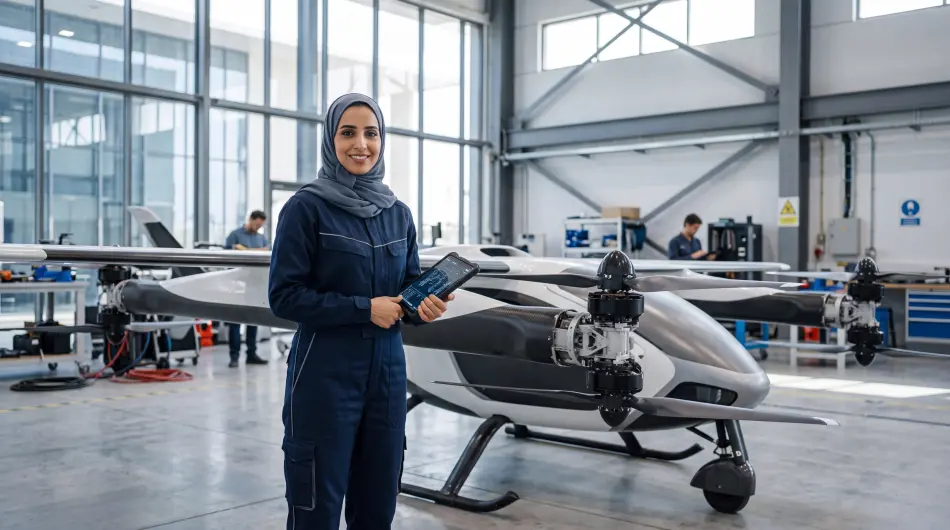
Tax-Free Allowances and Total Expatriate Benefits
Expatriate compensation packages in the UAE and Saudi Arabia deliver value well beyond base salary numbers through non-taxable allowances, employer-provided services, and statutory end-of-service gratuities. In most Gulf airline employment contracts, non-base allowances represent an additional 30% to 50% on top of the basic wage.
Pakistani engineers evaluating overseas opportunities must examine the total employment package, which routinely incorporates six core elements:
- Furnished Housing or Cash Accommodation Allowance: Employers either provide private company apartments in residential aviation communities or disburse monthly housing allowances ranging from SAR/AED 4,000 to SAR/AED 8,500. In Saudi Arabia, company housing compounds often include free recreation, utilities, and high-speed internet.
- Transportation Allowance or Company Shuttle: Flight line shifts require 24/7 airport access. Employers supply dedicated air-conditioned shuttles between staff housing and airport hangars or pay cash transport allowances of SAR/AED 1,000 to SAR/AED 2,500 monthly.
- Annual Return Flight Tickets: Expatriate contracts guarantee annual paid round-trip air tickets to Pakistan for the engineer, spouse, and up to three dependent children, operating directly into Islamabad, Lahore, Karachi, or Peshawar.
- Comprehensive Private Healthcare: Full medical, emergency, and dental insurance is provided under premium hospital networks across the Gulf, ensuring zero out-of-pocket healthcare expenses.
- Education Allowances for Children: Senior certifying engineers frequently receive school tuition subsidies ranging from SAR/AED 15,000 to SAR/AED 35,000 per child per year, offsetting the cost of British, American, or Pakistani community curriculum schools.
- Statutory End-of-Service Gratuity (EOSG): Under UAE Federal Decree Law No. 33 of 2021 and Article 84 of the Saudi Labor Law, employees receive a legally mandated lump-sum severance payment upon departure. This equals 21 days of basic wage per year for the first five years, and 30 days of basic wage per year thereafter. A Pakistani engineer completing 8 years of service as a certifying engineer routinely collects an end-of-service gratuity payout exceeding SAR/AED 160,000 to SAR/AED 240,000 (PKR 12 to 18 million).
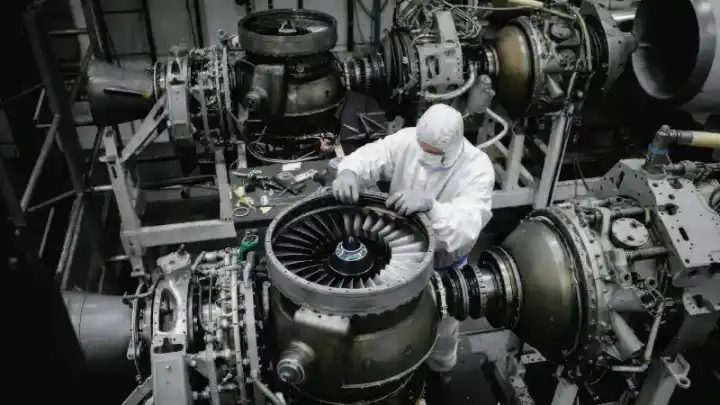
Licensing Pathways: How Pakistani Engineers Qualify for Gulf Jobs
To legally certify maintenance and earn professional engineering salaries in the Gulf, Pakistani engineers must hold regulatory credentials recognized by the host nation's civil aviation authority. Saudi Arabia operates under the General Authority of Civil Aviation (GACA Part-66), while the UAE operates under the General Civil Aviation Authority (GCAA CAR-66), both of which derive their technical standards from the international ICAO Annex 1 personnel licensing framework.
Understanding how credentials transfer from Pakistan to the Middle East is vital for career planning:
- The Direct EASA Advantage: Both GACA in Saudi Arabia and GCAA in the UAE model their written knowledge requirements directly on EASA Part-66 modules. Candidates who completed an EASA-aligned curriculum and cleared recognized European module examinations enjoy expedited credential conversion. They typically need only to pass local Air Law examinations and complete internal company type authorizations.
- PCAA License Conversion: Pakistani engineers holding an Aircraft Maintenance License (AML) issued by the Pakistan Civil Aviation Authority (PCAA) can convert their credentials through bilateral recognition procedures. This route requires verified logbook evidence of at least 3 to 5 years of recent maintenance experience on commercial transport aircraft, an employer sponsorship letter, and passing the GCAA CAR-66 or GACA Air Law module.
- Category B1 vs Category B2 Demand: Category B1.1 (Aeroplanes Turbine / Mechanical) commands the highest volume of available vacancies in both countries, representing roughly 65% of all engineering recruitment advertisements. However, Category B2 (Avionics and Electrical Systems) engineers command a slight salary premium (5% to 10% higher base pay) due to the acute scarcity of qualified avionics specialists capable of troubleshooting next-generation fly-by-wire and integrated digital avionics suites.
- The Type Rating Salary Multiplier: An engineer holding a basic license without specific aircraft endorsements works primarily as a support technician. Adding your first commercial type rating (such as Airbus A320 Family or Boeing 737 Next-Gen/MAX) instantly elevates monthly compensation by SAR/AED 4,000 to SAR/AED 7,000. Adding a wide-body endorsement (Boeing 777, 787 Dreamliner, or Airbus A350) unlocks senior certifying pay scales exceeding SAR/AED 30,000 monthly.
Cost of Living vs Net Monthly Savings: Real Numbers for Pakistani Families
A Pakistani aircraft maintenance engineer earning SAR 18,000 in Saudi Arabia can realistically save between SAR 9,000 and SAR 12,000 per month (approximately PKR 665,000 to PKR 890,000 per month), while an engineer earning AED 22,000 in the UAE can save between AED 10,000 and AED 14,000 per month (approximately PKR 760,000 to PKR 1,064,000 per month). Because the primary living expense (housing) is either provided directly or covered by dedicated allowances, net remittance capacity remains exceptionally high.
The table below outlines realistic monthly living expenditures for an expatriate aviation professional living in Riyadh or Dubai:
| Monthly Expense Category | Riyadh / Jeddah, Saudi Arabia | Dubai / Sharjah, UAE | Expenditure Notes |
|---|---|---|---|
| Housing (1-2 Bedroom Apartment) | SAR 2,500 - 4,200 | AED 3,500 - 5,500 | Usually fully reimbursed by employer housing allowance |
| Groceries & Household Dining | SAR 1,200 - 1,800 | AED 1,400 - 2,000 | South Asian groceries widely accessible and competitively priced |
| Utilities, Cooling & Mobile Data | SAR 400 - 700 | AED 600 - 950 | Cooling costs peak during summer months (June to August) |
| Transportation / Petrol / Commute | SAR 500 - 900 | AED 600 - 1,100 | Substantially reduced if using airline employee shuttle transport |
| Discretionary & Family Entertainment | SAR 800 - 1,400 | AED 1,200 - 2,000 | Dining out, weekend activities, leisure |
| Average Total Monthly Living Costs | SAR 5,400 - 9,000 | AED 7,300 - 11,550 | Total expenses before applying housing allowance subsidies |
| Net Remittance Potential to Pakistan | SAR 9,000 - 13,000 | AED 10,000 - 16,500 | Equates to PKR 665,000 - PKR 1,250,000 sent home monthly |
Saudi Arabia offers a slightly lower cost of living than Dubai, particularly regarding rental rates and entertainment expenses, making it an ideal destination for engineers whose primary objective is maximizing monthly remittances to Pakistan. Conversely, the UAE offers a cosmopolitan lifestyle, world-class international schools, and seamless travel connectivity that appeals to engineers relocating with spouses and children.
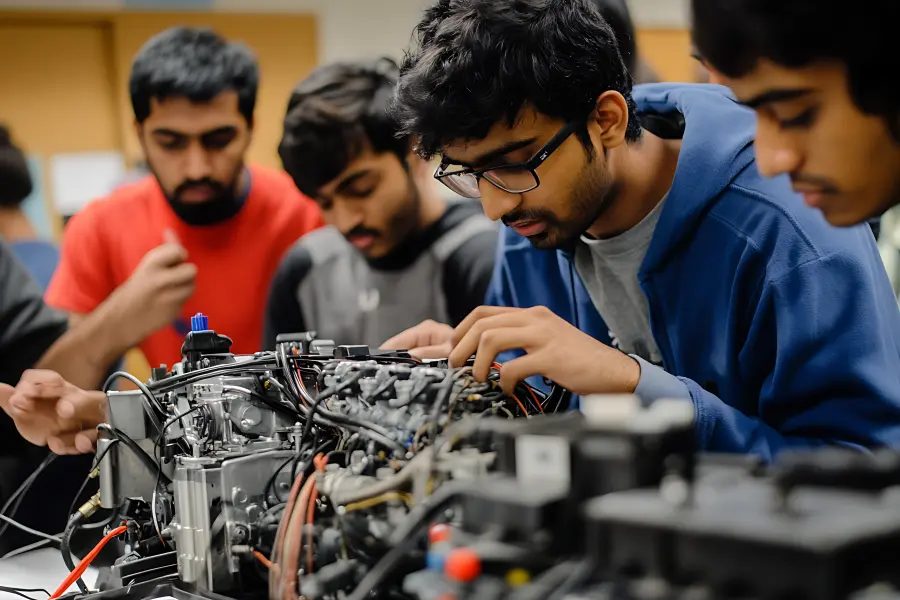
The ATH Perspective: How We Prepare Pakistani Engineers for International Careers
At Aviation Training Hub (ATH), our training philosophy is founded on a singular reality: preparing engineers solely for the local Pakistani job market limits their long-term financial trajectory, whereas aligning technical training with international regulatory frameworks creates immediate pathways to high-paying careers in the Gulf and Europe. We structure our Aircraft Maintenance Engineering program specifically to bridge this gap.
Our academic and practical methodology incorporates five distinct institutional advantages designed to maximize graduate employability in Middle Eastern MRO hubs:
- EASA Part-66 Modular Curriculum: Our two-year full-time curriculum spans six intensive 4-month semesters covering all foundational and specialized knowledge requirements for Category B1.1 (Aerospace / Mechanical) and Category B2 (Avionics). Students learn the identical engineering standards enforced by international aviation regulators.
- In-House EASA Examination Facility: Students sit progressive EASA module examinations directly on campus as they complete each subject, rather than waiting until graduation or spending millions of rupees traveling to European testing centers. Clearing all 16 required module examinations progressive gives ATH graduates an enormous competitive advantage when applying to Saudi and UAE airlines.
- Rigorous Hands-On Workshop & OJT Exposure: Theoretical knowledge must be backed by verifiable tool time. ATH coordinates structured On-the-Job Training (OJT starting from PKR 8,000) with approved maintenance partners, ensuring students build authentic maintenance logbooks that withstand GCAA and GACA regulatory audits.
- Complete Financial Transparency: Unlike foreign training institutes that charge tens of thousands of pounds sterling, ATH delivers international standard training in Pakistan at accessible domestic rates. Core tuition is fixed at a one-time admission fee of PKR 150,000 plus PKR 140,000 per semester across 6 semesters (total tuition of PKR 990,000). Individual EASA module examinations are billed progressively at €139 per exam (totaling €2,224 across 16 exams).
- Remarkable Return on Investment: Because the total educational investment across two years (tuition plus modular exams) equates to approximately PKR 1.7 million, a single month of mid-level engineering compensation in the UAE or Saudi Arabia (AED/SAR 22,000 ≈ PKR 1.65 million) completely recoups the entire cost of the training program.
Step-by-Step Roadmap: Landing Your First Aircraft Maintenance Job in the Gulf
Transitioning from a technical student in Pakistan to a licensed certifying engineer earning tax-free Gulf currency requires following four sequential career milestones. Bypassing essential steps leads to application rejections from regional airline recruiters.
- Step 1: Complete Foundational Training & Clear EASA Modules (Years 1 to 2): Enroll in an approved institute offering modular Part-66 training. Clear your foundational mathematics, physics, electrical fundamentals, aerodynamics, and turbine engine modules. Accumulate passed examination certificates module by module.
- Step 2: Accumulate Verified Commercial Experience in Pakistan (Years 2 to 4): Join a domestic airline, charter operator, or approved Part-145 MRO in Pakistan (such as PIA Engineering, Airblue, SereneAir, or Fly Jinnah). Maintain a meticulously documented maintenance experience logbook detailing airframe, powerplant, and avionics maintenance tasks verified by certifying engineers.
- Step 3: Target Gulf Recruitment Campaigns & Specialized Aviation Portals: Major Gulf carriers conduct dedicated overseas recruitment drives in Pakistan. Register on official career portals including Emirates Group Careers, Saudia Careers, Etihad Careers, flydubai, and specialized regional platforms like GulfTalent. Highlight your passed EASA modular exam credits and verifiable commercial aircraft logbooks.
- Step 4: Pass Regional Air Law & Complete Type Endorsement: Upon receiving an employment offer, complete host nation regulatory onboarding. Pass the UAE GCAA CAR-66 or Saudi GACA Air Law examination, complete medical fitness clearance, and undertake your employer-sponsored aircraft type rating (such as the Airbus A320 or Boeing 777) to unlock full certifying pay scales.
Frequently Asked Questions
Essential questions answered regarding AME salaries, licensing, and career transitions to the UAE and Saudi Arabia
An entry-level Pakistani technician or assistant mechanic without certifying authorization typically starts between SAR 8,500 and SAR 11,500 per month in Saudi Arabia (roughly PKR 637,500 to PKR 862,000) and between AED 10,000 and AED 14,000 per month in the UAE (roughly PKR 760,000 to PKR 1,064,000). Most entry-level contracts include shared company housing, airport shuttle transport, comprehensive medical insurance, and annual return tickets to Pakistan.
No. Neither the UAE nor Saudi Arabia levies any personal income tax on salaries or bonuses. Expatriate engineers receive 100% of their contracted gross salary directly into their bank accounts. In addition, Pakistan does not tax legitimate foreign remittances sent home through official banking channels, allowing Pakistani expatriates to retain maximum take-home wealth.
Yes. A PCAA Aircraft Maintenance License (AML) can be converted through bilateral regulatory recognition, provided the candidate holds at least 3 to 5 years of verified maintenance experience on commercial transport aircraft. The applicant must pass the host authority's Air Law examination (GCAA CAR-66 or GACA Air Law), verify practical logbooks, and secure sponsorship from an approved aviation employer in the host country.
Holding a commercial aircraft type rating increases an engineer's monthly salary by 30% to 50%. Adding a narrow-body endorsement such as the Airbus A320 or Boeing 737 raises monthly compensation by SAR/AED 4,000 to SAR/AED 7,000, while wide-body endorsements on aircraft like the Boeing 777, 787 Dreamliner, or Airbus A350 elevate certifying pay scales beyond SAR/AED 28,000 to SAR/AED 38,000 per month.
Both categories earn highly lucrative compensation. Category B1 (Mechanical / Engines / Airframes) represents roughly 65% of all job openings across Gulf hangars, offering widespread employment opportunities. Category B2 (Avionics / Electrical / Digital Systems) specialists enjoy a 5% to 10% salary premium over B1 peers due to the industry-wide shortage of technicians qualified to troubleshoot complex fly-by-wire and integrated glass cockpit systems. Dual-rated engineers holding both B1 and B2 credentials command the highest compensation packages.
Because major employers provide dedicated housing and transport allowances, single engineers and married professionals practicing sensible budgeting routinely save 50% to 65% of their total monthly income. A certifying engineer earning SAR 18,000 in Saudi Arabia can save SAR 9,000 to SAR 12,000 monthly (PKR 665,000 to PKR 890,000), while an engineer earning AED 24,000 in Dubai can save AED 12,000 to AED 16,000 monthly (PKR 912,000 to PKR 1,216,000).
Yes, significantly. Both UAE GCAA CAR-66 and Saudi GACA Part-66 frameworks are directly aligned with the European EASA Part-66 syllabus. Candidates who have passed recognized EASA modular examinations bypass repetitive domestic tests and receive accelerated consideration from airline recruiters, since European module credits are universally trusted across international MRO networks.
Under UAE and Saudi labor laws, expatriate employees are legally entitled to an end-of-service gratuity lump sum upon departure. The benefit calculates as 21 days of basic salary for each of the first five years of service, and 30 days of basic salary for each subsequent year. A licensed engineer working 10 years at a basic monthly salary of SAR/AED 18,000 accumulates a statutory gratuity payout exceeding SAR/AED 153,000 (over PKR 11.4 million).
A career in aircraft maintenance engineering represents one of the most reliable pathways for Pakistani technical professionals to secure high-paying, tax-free international employment. With massive commercial fleet deliveries underway across both Saudi Arabia and the UAE, the demand for licensed certifying engineers will continue to outstrip supply through the next two decades. By choosing an educational pathway aligned with international EASA standards at Aviation Training Hub, Pakistani students can position themselves for lucrative, rewarding careers across the global aviation industry.