Aviation courses in Karachi fall into four main groups: Aircraft Maintenance Engineering (AME) licence programmes, commercial pilot training, aviation management diplomas and degrees, and short airline or airport service courses. For most Matric and FSc students, AME offers the clearest route to a licensed job, taking two years at Aviation Training Hub (ATH) Karachi for a published PKR 990,000 in tuition, against roughly PKR 9 million for a commercial pilot licence.
This guide is for students and parents in Karachi comparing aviation institutes, aviation schools and aviation colleges in the city. It sets out what each type of course leads to, how long it takes, who can apply and what it costs, using fees quoted directly from each provider with an "as of" date. ATH runs one of the options covered here, so its programme is described using only the facts ATH publishes, and the other options are listed fairly so you can compare.
What Aviation Courses Are Available in Karachi?
Karachi offers a wide range of aviation training, helped by Jinnah International Airport and the airline and maintenance businesses around it. The table below summarises the main course types and what each one qualifies you for.
| Course Type | Leads To | Typical Duration | Minimum Entry |
|---|---|---|---|
| AME licence programme (B1/B2) | Licensed aircraft maintenance engineer | 2 years at ATH | Matric with 50% in Maths and Physics, or FSc with 50% |
| Commercial Pilot Licence (CPL) with Instrument Rating | Commercial pilot | Ground school about 6 months; CAA allows up to 2 years overall | Age 18+, Intermediate, Class 1 medical |
| Aviation management diploma (executive) | Supervisory roles in aviation business | 4 months (IBA CEE) | 14 years of education plus work experience |
| Aviation technology and management degree | Graduate roles in aviation operations and technology | 4 years (University of Karachi, announced) | Pre-engineering background |
| Short airline and airport service courses | Ticketing, ground staff, cabin crew preparation | Weeks to months | Varies by provider |
For a full guide to licence categories, entry rules and costs before you shortlist institutes, read ATH's breakdown of AME course duration, fees and eligibility.
Aircraft Maintenance Engineering in Karachi: Why Lead With AME?
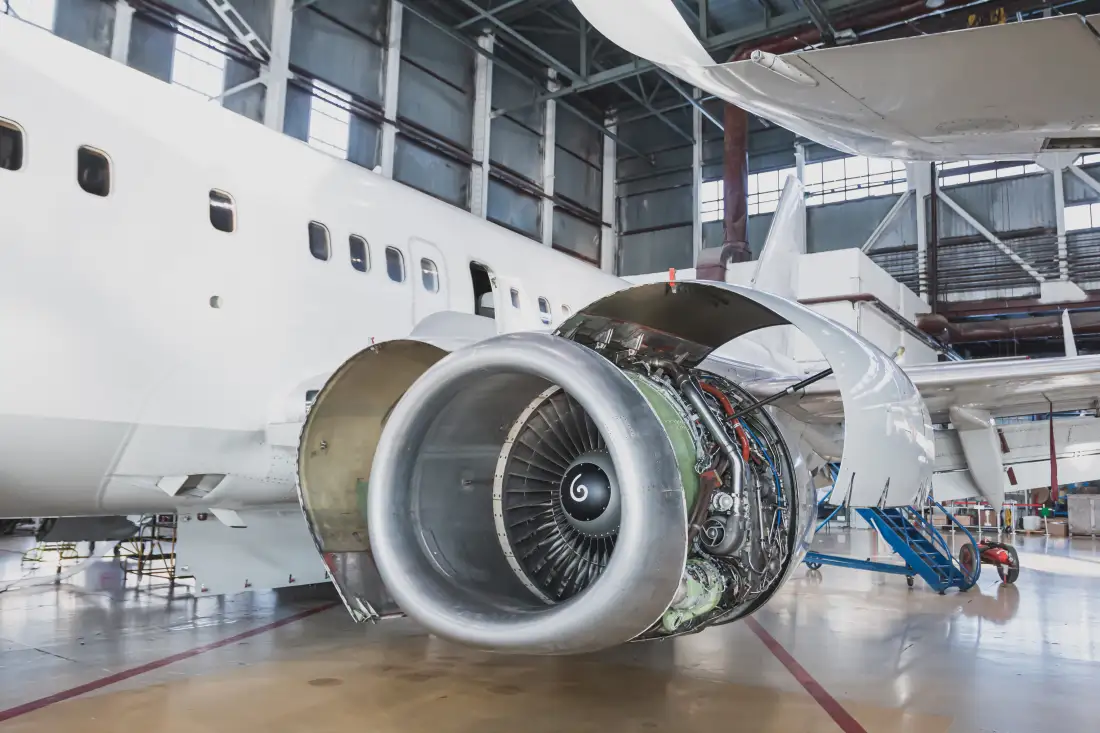
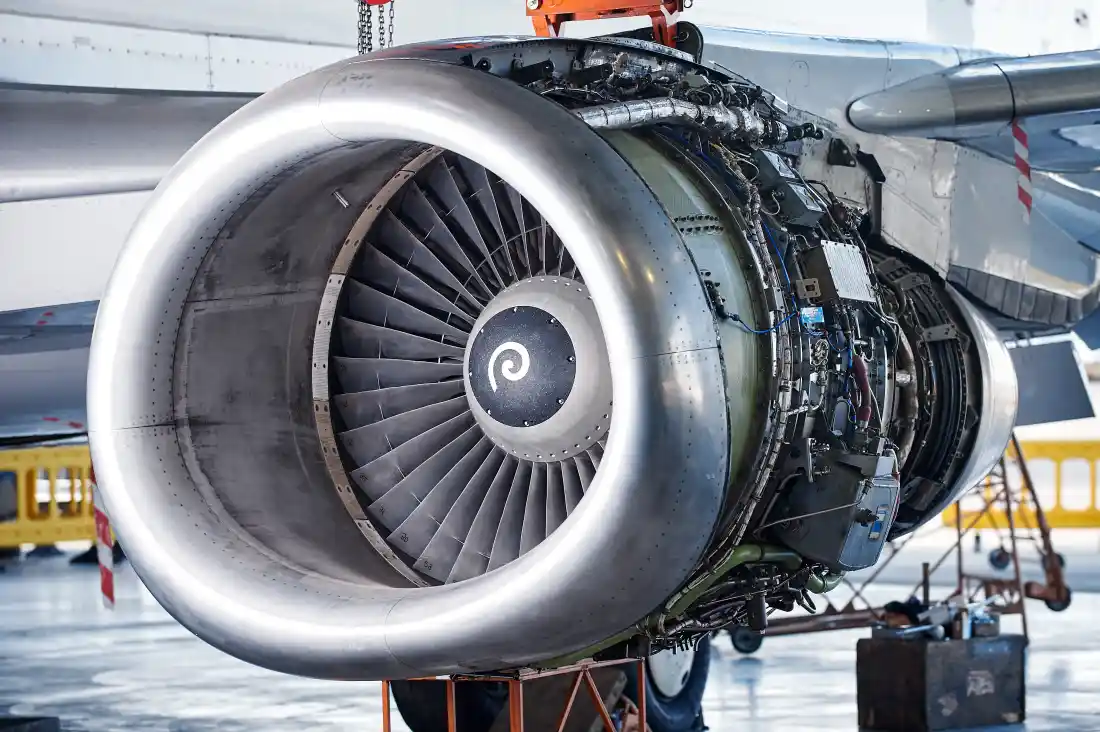
AME is the most practical aviation course in Karachi for most students because it is affordable, takes two years, and leads to a regulator-issued licence that airlines and maintenance organisations must hire. An Aircraft Maintenance Engineer is a licensed professional who inspects, repairs and certifies aircraft as fit to fly.
- Licence categories: B1 covers airframes, engines and mechanical systems; B2 covers avionics and electrical systems. These follow the EASA Part-66 licence structure.
- Who regulates it: licences are issued by the national authority. Pakistan's Civil Aviation Authority has been split into the regulator (PCAA) and the Pakistan Airports Authority, according to the CAA Pakistan notice on its website.
- Demand: Boeing's Pilot and Technician Outlook projects 728,000 new maintenance technicians needed worldwide over 2026 to 2045.
AME at Aviation Training Hub, Karachi Campus
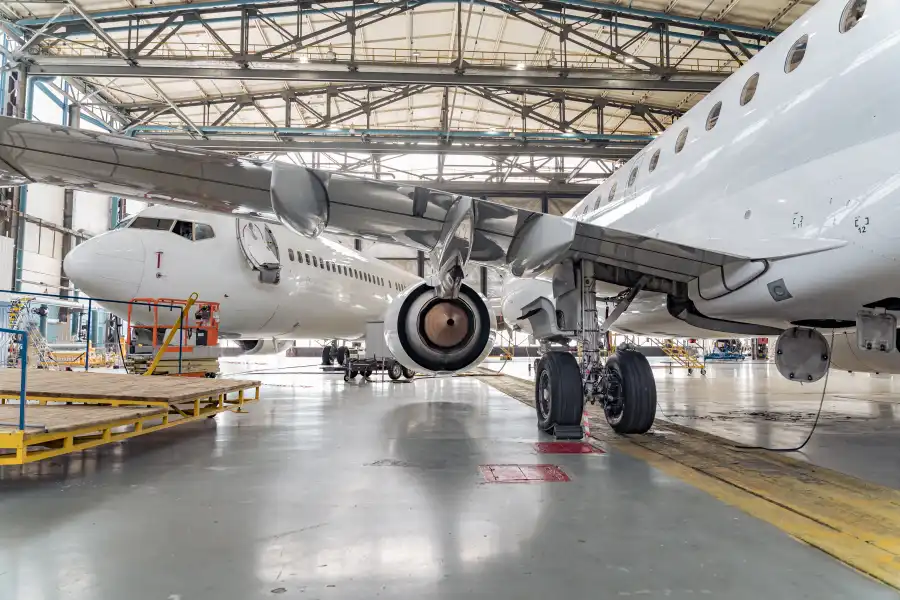
ATH's Karachi campus is at Karam Tower, Gulistan-e-Johar. Its Aircraft Maintenance Engineering licence programme runs for two years in six semesters of four months, with B1 and B2 Part-66 modules built into the coursework and intakes in January, April, July, September and November.
| Fee Type (as of November 2026) | Amount | Details |
|---|---|---|
| Admission fee | PKR 150,000 | Non-refundable, one-time |
| Semester fee | PKR 140,000 | Per semester, 6 semesters of 4 months each |
| EASA exam fee | EUR 139 per exam | Payable one month before each exam |
| On-the-job training (OJT) | From PKR 8,000 | Depends on partner and scope |
Source: the fee table on ATH's AME programme page. Admission plus six semesters comes to PKR 990,000 in tuition; euro exam fees and OJT are separate and paid as you go.
Pilot Training in Karachi: What Does a Commercial Pilot Licence Cost?
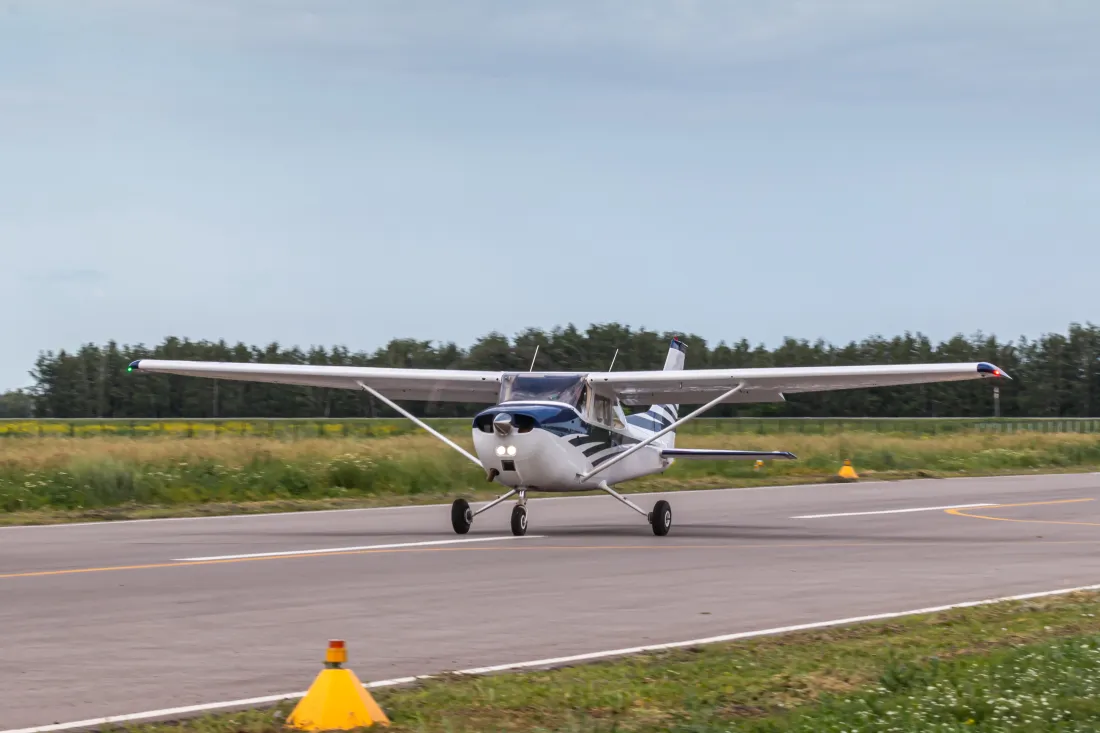
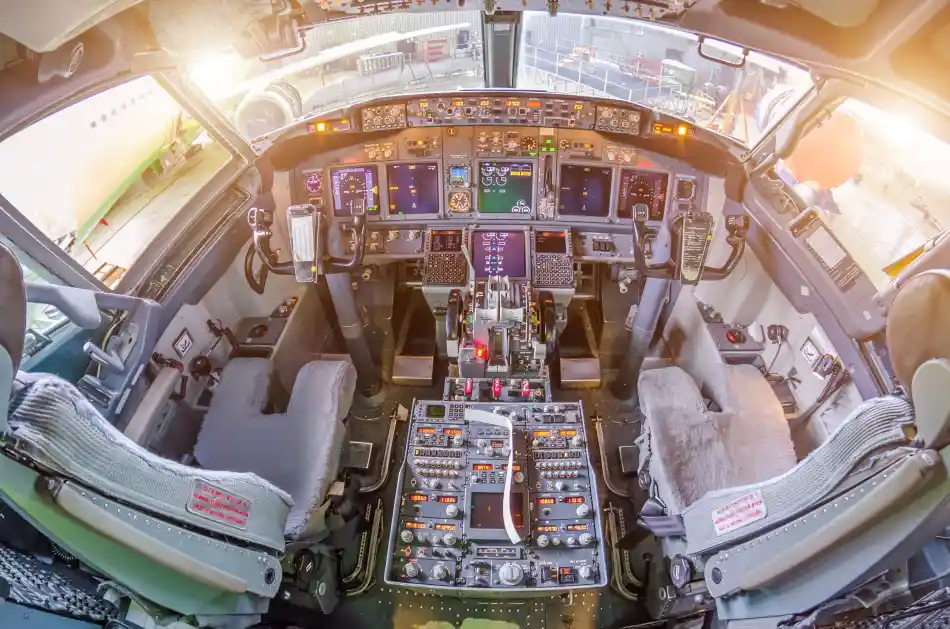
Pilot training in Karachi is the most expensive aviation course in the city, with the Karachi Aero Club estimating close to PKR 9 million for its integrated commercial pilot course. It suits students who can fund flying hours and pass a Class 1 medical.
According to the Karachi Aero Club's integrated CPL and Instrument Rating course page:
- Flying: at least 180 hours of flying training, plus at least 500 hours of theoretical instruction.
- Ground school: about 6 months, Monday to Friday, with at least 85% attendance.
- Eligibility: at least 18 years old, Intermediate or equivalent, English proficiency and a CAA Class 1 medical.
- Estimated total cost: PKR 8,957,797, effective 15 January 2026, including 3% Sindh Sales Tax but excluding the security deposit, CAA medical, licensing and exam fees.
- Next course date listed: 15 January 2027.
Even before extra fees, that published estimate is roughly nine times ATH's published AME tuition. Students who love aviation but cannot fund flying hours often start with AME, which keeps them inside the industry at a fraction of the cost.
Aviation Management Courses in Karachi
Aviation management courses in Karachi range from short executive diplomas for working professionals to four-year degrees for school leavers. They lead to business and operations roles rather than licensed technical work.
| Programme | Duration | Fee (as published) | Entry |
|---|---|---|---|
| IBA CEE Diploma in Aviation Leadership and Management | 4 months, Saturdays only | PKR 175,000 + 3% SST (2026 batch) | Minimum 14 years of education plus relevant work experience |
| University of Karachi Aviation Technology and Management degree | 4 years | Not published in the announcement | Pre-engineering background |
The IBA Centre for Executive Education diploma page lists classes at IBA's City Campus, with the 2026 batch starting on 5 September 2026; check the page for the next intake. The University of Karachi programme was announced by The Express Tribune in September 2025 as a four-year degree run by the Institute of Space Science and Technology, combining aerospace technical courses with management modules. Confirm admission dates and fees with the university directly.
Short Airline, Airport and Cabin Crew Courses
Short courses in ticketing, reservations, ground handling and cabin crew preparation are widely advertised in Karachi, but they are certificates rather than licences. They can help with entry-level airline and travel jobs, yet airlines run their own cabin crew training after hiring.
- Check what the certificate is: an institute certificate is not a PCAA licence.
- Check airline requirements: cabin crew hiring has age, height and fitness criteria set by each airline.
- Check the date of any listing: education directories often show fees, durations and deadlines that are several years old.
How Do Karachi's Aviation Courses Compare on Cost, Time and Career?
AME gives the best balance of cost, time and licensed career for most students, pilot training has the highest cost and ceiling, and management courses suit those heading for business roles. Use this table to compare like for like.
| Option | Time to Qualify | Published Cost | Licence? |
|---|---|---|---|
| AME at ATH Karachi | 2 years | PKR 990,000 tuition + EUR 139 per exam + OJT from PKR 8,000 | Yes (Part-66 B1/B2 aligned) |
| CPL/IR at Karachi Aero Club | About 6 months ground school; up to 2 years overall | PKR 8,957,797 estimated, excluding some fees | Yes (pilot) |
| IBA CEE aviation diploma | 4 months | PKR 175,000 + 3% SST | No |
| KU aviation degree | 4 years | Not yet published | No |
What Careers Do Aviation Courses in Karachi Lead To?
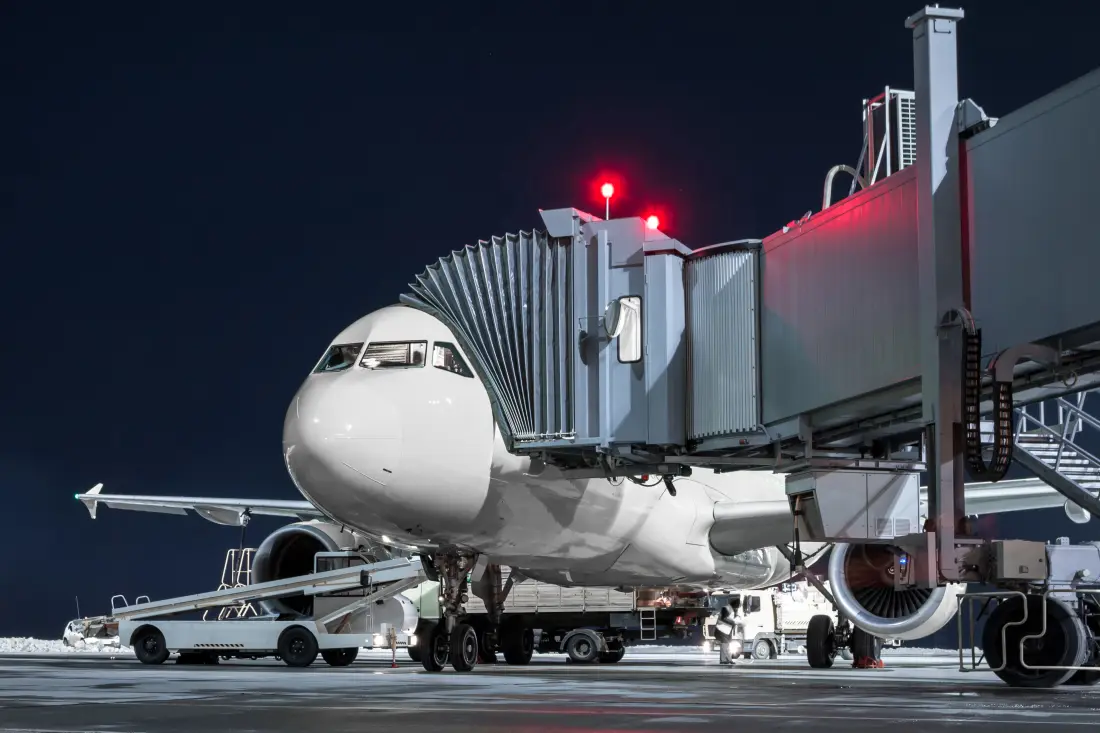
Each course type leads to a different set of employers, and many of them operate in or around Karachi. Growth is strongest where fleets are growing.
- AME graduates: airline engineering departments, maintenance repair and overhaul (MRO) organisations, and, with an EASA-aligned licence, Gulf and international employers.
- Pilots: airlines, flying clubs as instructors, and charter operators.
- Aviation management graduates: airline operations, cargo and freight forwarding, airport and travel companies.
Fleet growth supports all three. PIA's fleet is projected to grow from 18 operational aircraft to 38 by 2029, with routes rising from about 30 to more than 40 cities, according to the US International Trade Administration. Every added aircraft needs licensed engineers to keep it flying.
How to Choose an Aviation Institute in Karachi
Choose an aviation institute in Karachi by checking its approvals, practical training, published fees and what its students actually qualify for at the end. Use this checklist before paying any admission fee:
- Confirm regulatory approval for licence-based courses directly with the regulator, not only from the institute's advert.
- Ask which licence or certificate you will hold at the end, and who issues it.
- Get the full fee schedule in writing, including exam fees, OJT and any foreign-currency charges.
- Ask about practical training: real aircraft, workshops and OJT partners.
- Visit the campus to see the classrooms and workshops yourself.
- Check intake dates, since many listings online show deadlines from previous years.

How Aviation Training Hub Runs AME Training in Karachi
This section describes ATH's own programme structure, not a third-party finding. ATH delivers the same two-year AME licence programme at its Karachi and Islamabad campuses, so a Karachi student follows the same six-semester structure, entry rules and fee table as students elsewhere.
- Entry: Matric with at least 50% in Mathematics and Physics, or FSc Pre-Engineering or Pre-Medical with at least 50%.
- Curriculum: foundational sciences in year one, then specialised modules mapped to Part-66 B1 and B2 categories in year two.
- Exams: EASA module exams taken progressively, with each exam fee of EUR 139 paid one month before that exam.
- Practical training: on-the-job training with partner organisations, priced from PKR 8,000 depending on partner and scope.
- Degree option: ATH states its programme carries a two-year equivalence toward the University of South Wales BSc (Hons) Aircraft Maintenance Engineering.
ATH does not guarantee employment. The aim is to make a Karachi student licence-ready in two years at a published cost, close to the city's airport and maintenance employers.
Common Mistakes When Picking an Aviation Course in Karachi
- Trusting old directory fees. Some education directories still show deadlines from 2015 to 2023 and fee fields left at zero.
- Confusing a certificate with a licence. Only regulator-issued licences let you certify aircraft or fly commercially.
- Underestimating total pilot costs. Published estimates exclude medicals, licensing and exam fees.
- Ignoring euro-denominated fees. Exam fees in euros move with the exchange rate.
Conclusion: Choosing Aviation Courses in Karachi
Karachi gives students a wide range of aviation choices, from pilot training at Jinnah International Airport to executive management diplomas and a new university degree. For most school leavers, though, the deciding factors are cost, time and whether the course ends in a licence. On all three, Aircraft Maintenance Engineering stands out: two years, a published fee structure, and a licence that maintenance employers in Pakistan and abroad need.
The best way to judge any aviation institute in Karachi is to see it in person. Book a visit to ATH's Karam Tower campus in Gulistan-e-Johar, look at the facilities and ask your questions before you decide.
Frequently Asked Questions
Common questions about aviation courses and institutes in Karachi
For most students, Aircraft Maintenance Engineering is the strongest option: it takes 2 years at ATH, costs a published PKR 990,000 in tuition and ends in a licence that airlines and MROs must hire.
At ATH Karachi (as of November 2026): PKR 150,000 admission, PKR 140,000 per semester for 6 semesters, EUR 139 per EASA exam, and OJT from PKR 8,000.
The Karachi Aero Club estimates PKR 8,957,797 for its integrated CPL and Instrument Rating course (effective 15 January 2026), excluding the security deposit, CAA medical, licensing and exam fees.
At ATH you need Matric with at least 50% in Mathematics and Physics, or FSc Pre-Engineering or Pre-Medical with at least 50% marks.
Yes. IBA's Centre for Executive Education runs a 4-month Diploma in Aviation Leadership and Management (PKR 175,000 + 3% SST for the 2026 batch), and the University of Karachi announced a 4-year Aviation Technology and Management degree.
ATH's Karachi campus is at Karam Tower, Gulistan-e-Johar, Karachi. You can book a campus visit through the ATH contact page.
ATH runs intakes in January, April, July, September and November, so you do not have to wait for one annual admission cycle.
No. These are institute certificates, not regulator licences. Airlines also run their own cabin crew training after hiring, with age, height and fitness criteria set by each airline.